How to wear a Pahadi guloband so it sits right all evening
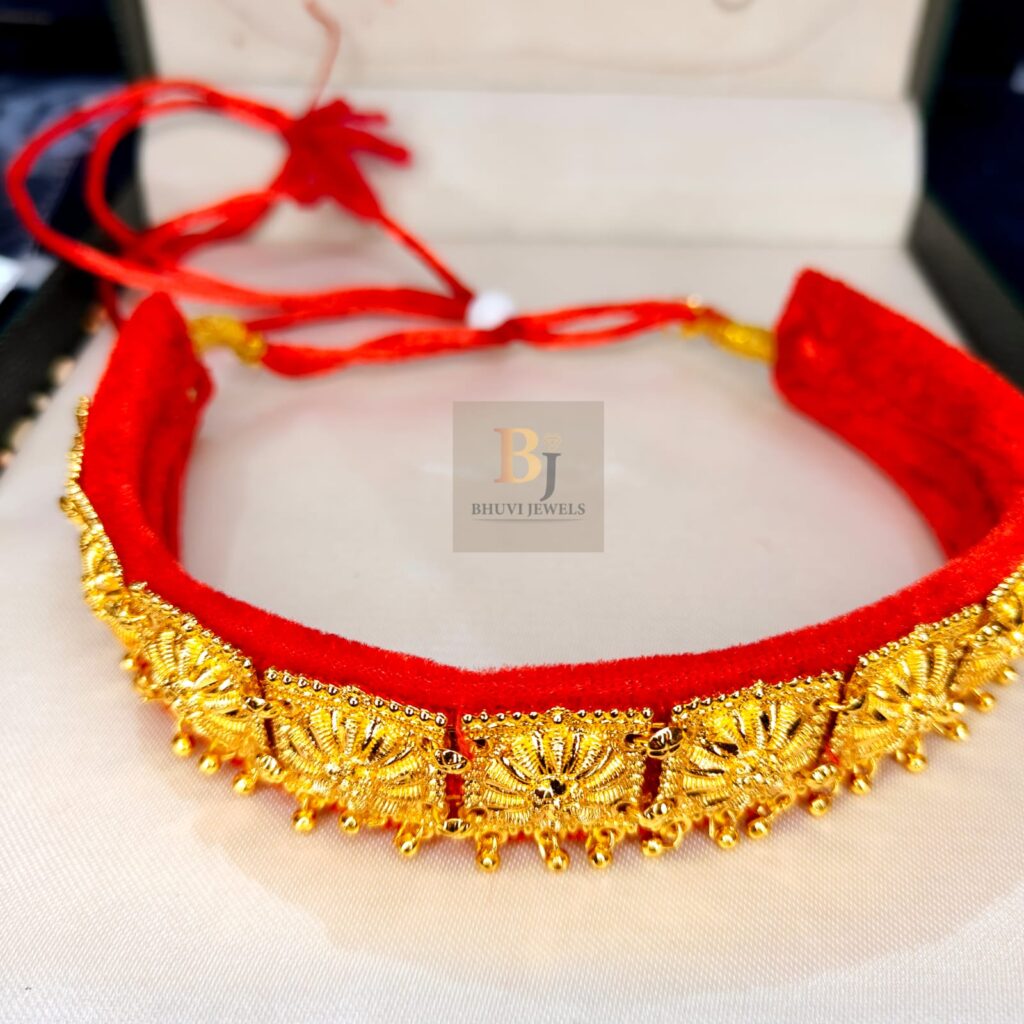
The guloband is a free-size piece, which means the fit is entirely in how you tie it. Here is the method.
Where it should sit
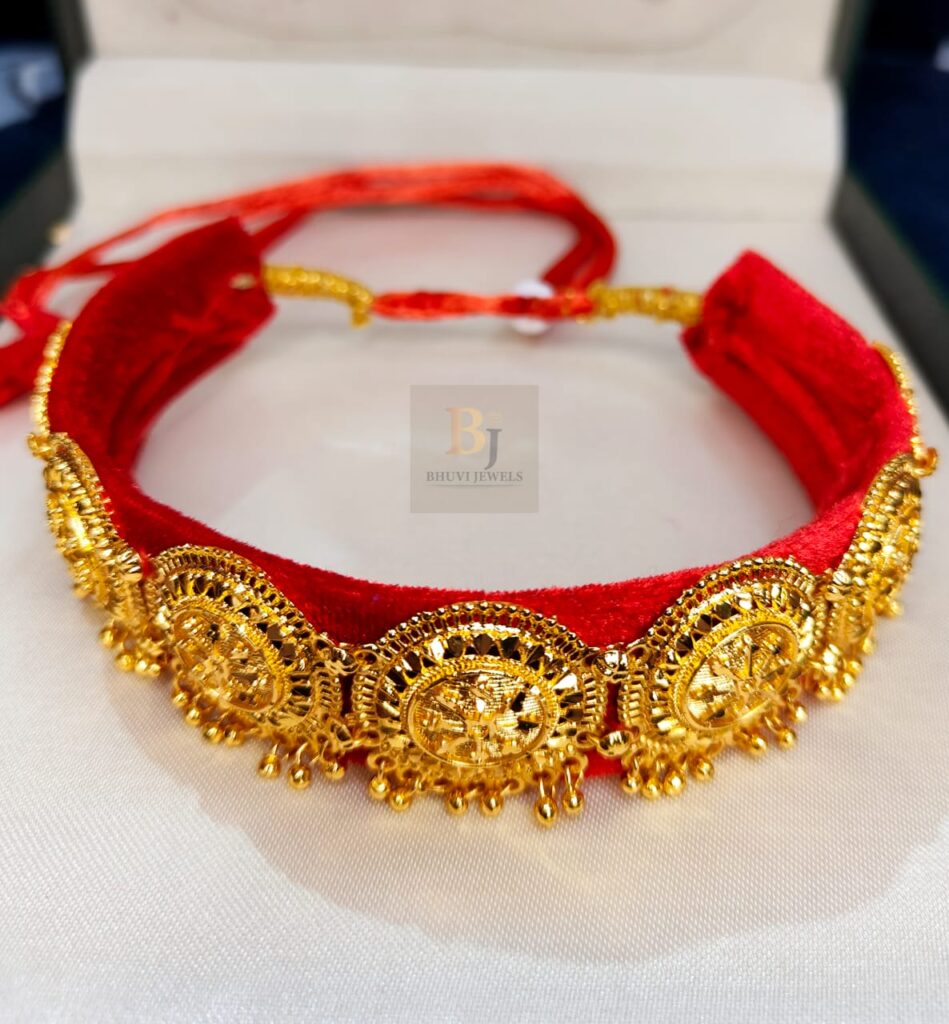
The guloband is a choker, not a necklace. The panels should rest on the base of the throat with the lower edge just above the collarbone. If it is sitting on the collarbone, it is tied too loose; if it presses when you swallow, it is too tight.
Tying the silk thread
Ask someone to hold the panels level while you tie. Take the two silk ends behind the neck, cross once, then tie a bow rather than a knot — a bow can be adjusted through the evening and released quickly at the end of the night.
Leave the tails long. They tuck under the blouse or the pichhaura and are meant to be invisible, not trimmed.
Pairing it
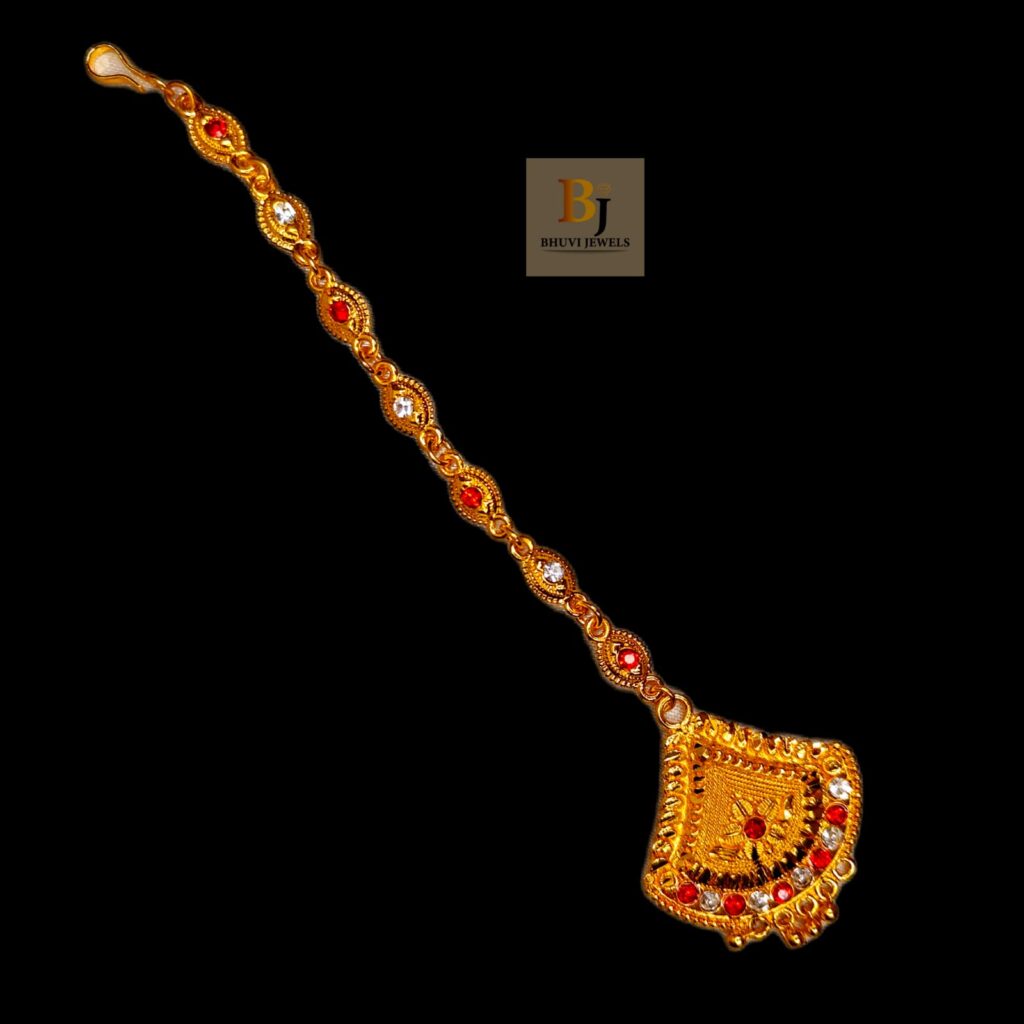
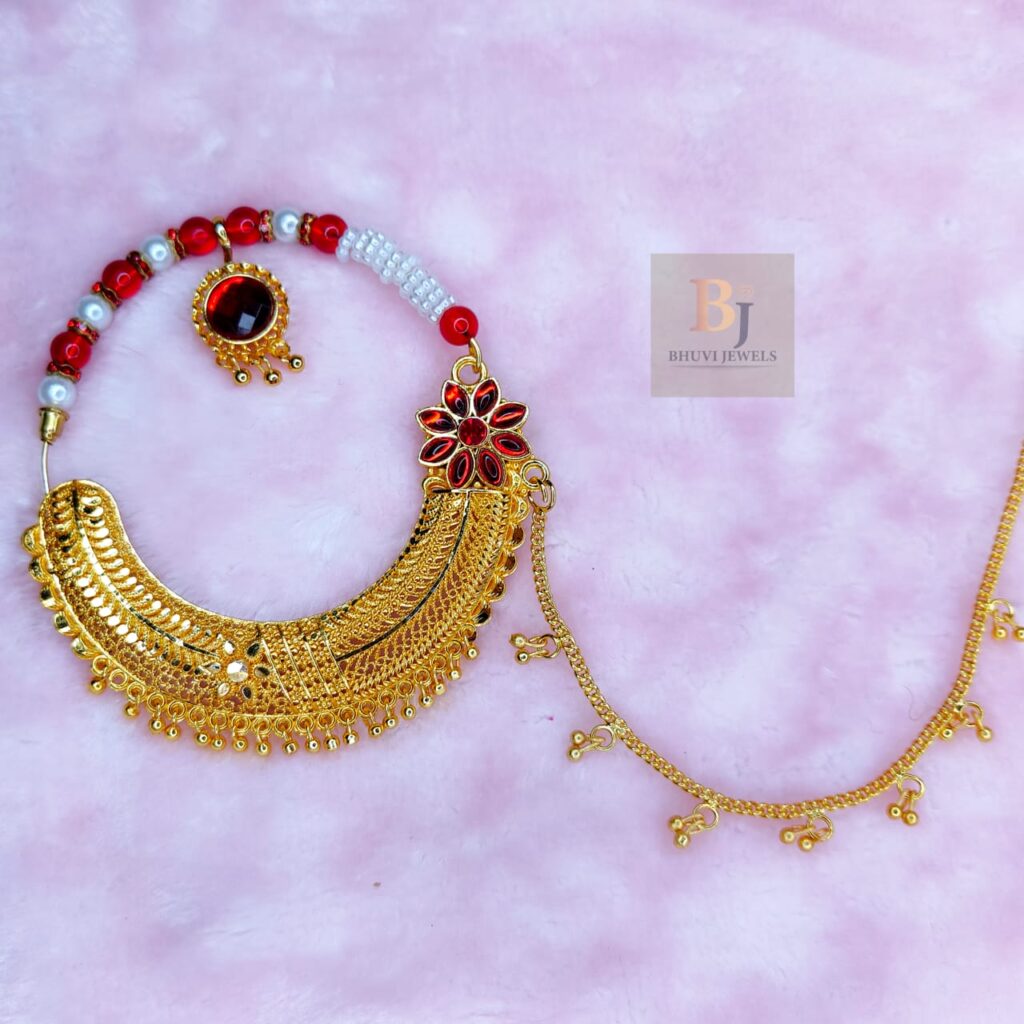
The guloband occupies the throat, so anything else at the neck competes with it. If you are wearing a mangalsutra as well, choose a long drop that sits well below the guloband rather than a short one. Above the neck, keep the maang tikka modest and let the nath and guloband do the work.
Aftercare
The silk thread is the part that fails first, and it fails from moisture. Untie the piece rather than pulling it over your head, wipe the panels with a dry cloth, and store it flat in a pouch so the panels do not press marks into one another.
Shop the pieces in this guide: Nath · Guloband · Maang Tikka · Mangalsutra · Earrings